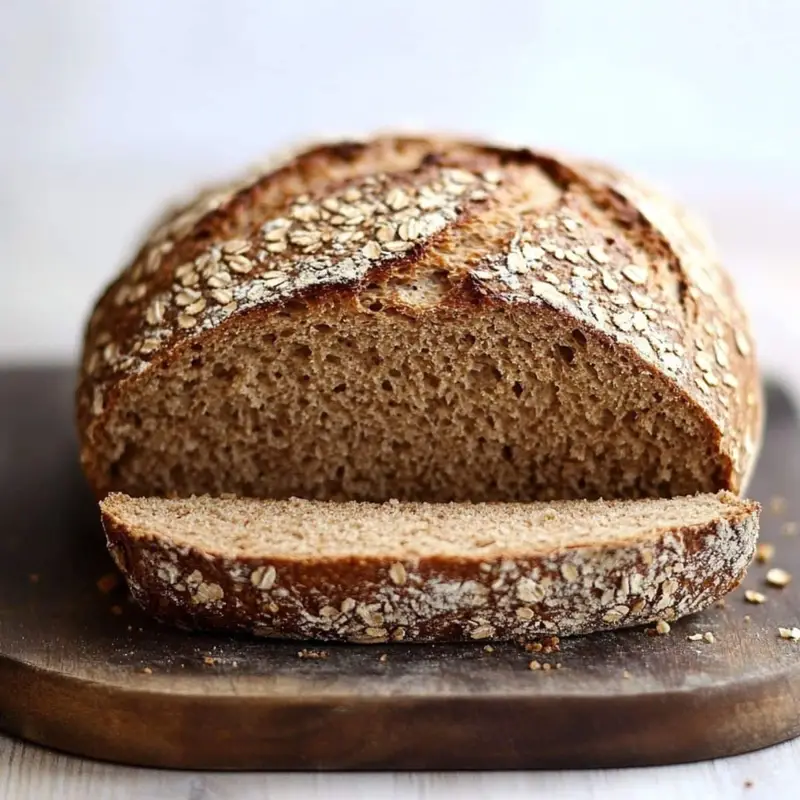
Bake Soft Whole Wheat Bread: No More Dense or Bitter Loaves!
For many home bakers, the quest for the perfect loaf of whole wheat bread often ends in disappointment. We've all been there: a dense crumb, a slightly bitter aftertaste, or a texture that's far from the soft, tender slices we dream of. But what if we told you that achieving a truly exceptional whole wheat loaf at home is not only possible but surprisingly simple? This comprehensive guide will show you exactly how to make whole wheat bread at home that is irresistibly soft, wonderfully flavorful, and a delight for sandwiches, toast, and more.
Forget the intimidating myths surrounding whole wheat baking. Our approach demystifies the process, making it accessible for beginners while offering valuable insights for seasoned bakers looking to perfect their technique. We'll dive into the critical ingredients, clever techniques, and even smart substitutions that guarantee a warm, hearty loaf without any of the common pitfalls.
Unlocking the Secrets to Soft, Flavorful Whole Wheat Bread
So, what makes this particular whole wheat bread recipe stand out from the rest? It’s all about a thoughtful combination of ingredients and a specific method that works synergistically to combat the notorious density and bitterness often associated with 100% whole wheat flour. This isn't just a healthy bread; it's a culinary triumph that proves nutritious can be utterly delicious.
- Perfect Texture Every Time: Say goodbye to brick-like bread. This recipe consistently yields a soft, chewy interior encased in a beautiful golden, crisp crust – a textural symphony that elevates any meal.
- Balanced Sweetness, No Bitterness: One of the biggest challenges with whole wheat flour is its tendency towards bitterness due to the wheat germ. Our recipe ingeniously tackles this with natural sweeteners like honey and a secret ingredient – a touch of acidity (lemon juice or apple cider vinegar). This combination not only balances the flavor profile but also enhances the overall taste, leaving no room for unpleasant notes.
- Remarkably Forgiving and Versatile: Whether you're a novice or an experienced baker, this dough is incredibly cooperative. It uses basic pantry staples, meaning you likely have most of what you need on hand. Plus, the finished loaf is perfect for everything from hearty breakfast toast and robust sandwiches to elegant French toast, proving its versatility beyond measure.
- Make Ahead and Freeze-Friendly: Life is busy, and homemade bread should fit seamlessly into your schedule. This recipe is ideal for meal prepping; bake a loaf (or two!), enjoy fresh slices, and easily freeze the rest for later. Just thaw and warm for that fresh-baked experience whenever you crave it.
The magic truly lies in how these elements come together. By understanding the role of each ingredient and the impact of a specific process (like the sponge method), you're not just following a recipe; you're mastering the art of whole wheat bread.
The Essential Ingredients for Your Best Loaf
Crafting exceptional whole wheat bread starts with understanding the purpose behind each ingredient. Here's a closer look at the key players that transform simple components into a remarkable loaf:
- Whole Wheat Flour: The star of the show! Whole wheat flour brings a wealth of fiber, nutrients, and a distinct nutty flavor. Using fresh, high-quality whole wheat flour is paramount for the best taste and texture. Always measure your flour by weight (grams) for accuracy, as volume measurements can vary widely.
- Water & Whole Milk: Warm water activates the yeast, while the whole milk adds crucial fat and proteins, contributing to the bread's incredible softness and rich flavor. The fat content in milk helps to tenderize the crumb and keep the bread moist for longer.
- Honey: More than just a sweetener, honey plays a vital role in feeding the yeast, promoting a vigorous rise, and lending a unique, subtle sweetness that complements the whole wheat flavor beautifully. It also contributes to the golden crust.
- Unsalted Butter: Butter is a game-changer for whole wheat bread, adding richness, moisture, and an undeniable tenderness to the crumb. It acts as a natural conditioner for the dough, improving its texture and extending its shelf life.
- Active Dry or Instant Yeast: The leavening agent that gives your bread its lift and airy structure. Both active dry and instant yeast work wonderfully, though instant yeast can often be mixed directly with the flour, while active dry typically benefits from a brief proofing in warm liquid.
- Lemon Juice (or Apple Cider Vinegar): This is one of the "secret weapons" against bitterness. The acidity from a small amount of lemon juice or apple cider vinegar neutralizes the slightly bitter compounds naturally present in wheat germ, leaving you with a clean, pleasant flavor profile. Don't skip this!
- Salt: Essential for flavor balance, salt also plays a role in controlling yeast activity and strengthening the gluten structure. Without it, bread tastes bland and can feel flabby.
- Optional Oats + Egg White: For a rustic visual appeal and a slight textural variation, sprinkling rolled oats (adhered with a light egg white wash) on top before baking adds a charming finish.
Each of these ingredients is carefully chosen to contribute to the final product's superior taste, texture, and nutritional value, ensuring your homemade whole wheat bread is truly a cut above.
Customizing Your Whole Wheat Masterpiece: Ingredient Swaps & Tips
One of the beauties of this whole wheat bread recipe is its adaptability. Whether you have dietary restrictions, limited pantry supplies, or simply want to experiment, these smart swaps and tips ensure your loaf remains delicious and soft. For even more tailored advice on personalizing your bake, explore our article on The Best Soft Whole Wheat Bread: Versatile Recipe & Ingredient Swaps.
- Milk Alternatives: If you're dairy-free, feel free to substitute whole milk with plant-based alternatives like almond milk, oat milk, or soy milk. Keep in mind that these might slightly alter the richness and the final texture, but the bread will still be wonderfully soft.
- Sweeteners: While honey provides a unique flavor and moisture, you can certainly swap it out. Maple syrup offers a distinct earthy sweetness, while brown sugar will give a deeper, molasses-like note. Adjust quantities slightly to taste, as sweetness levels can vary.
- Flour Mix for Lighter Texture: For those who prefer a slightly lighter crumb or are new to 100% whole wheat, try swapping 1 cup of whole wheat flour for bread flour. This small change significantly lightens the loaf while retaining much of the whole grain goodness.
- Lemon Juice Substitution: If you don't have lemon juice on hand, apple cider vinegar works perfectly as a substitute. Both provide the necessary acidity to neutralize bitterness without imparting a strong flavor of their own.
- Butter Alternatives: For a dairy-free version, use vegan butter sticks or even a mild olive oil. While olive oil changes the flavor profile slightly, it still contributes fat for moisture and tenderness.
Experimentation is part of the joy of baking! Don't be afraid to adjust ingredients to fit your preferences and pantry. The core principles of this recipe will still guide you to a fantastic loaf.
Your Step-by-Step Guide to Baking Perfect Whole Wheat Bread
Now for the exciting part – learning how to make whole wheat bread at home, step by step, ensuring a soft, delightful loaf every time. This detailed breakdown ensures you understand not just *what* to do, but *why* each step is important for achieving perfection.
- Create the Sponge (The Secret to Flavor & Structure): In a large bowl or the bowl of your stand mixer, combine warm water (around 105-115°F or 40-46°C), whole milk, yeast, and about 2 cups of your whole wheat flour. Mix until you have a thick, shaggy batter. Cover the bowl loosely and let it sit at room temperature for 60-90 minutes. You'll know it's ready when it has significantly doubled in size and looks bubbly and active. This crucial "sponge" step allows the yeast to become highly active, builds flavor, and kickstarts gluten development, leading to a lighter, more tender crumb.
- Form the Dough: To your activated sponge, add the honey, softened unsalted butter, lemon juice (or apple cider vinegar), salt, and the remaining whole wheat flour (reserve a little if the dough seems too stiff). Mix on low speed with a dough hook (or with a sturdy spoon if kneading by hand) until the ingredients are just combined and a shaggy dough forms.
- Knead Until Smooth and Elastic: Turn the dough out onto a lightly floured surface. Knead vigorously for 8-10 minutes by hand, or 6-8 minutes with a stand mixer on medium speed. The dough should transform from sticky to smooth, elastic, and less tacky. A good test is the "windowpane test": take a small piece of dough, gently stretch it, and if you can see light through it without it tearing, your gluten is well developed. Proper kneading is vital for a soft crumb!
- First Rise (Bulk Fermentation): Lightly oil a clean large bowl. Place the kneaded dough in the bowl, turning it once to coat with oil. Cover the bowl tightly with plastic wrap or a damp towel and let it rise in a warm, draft-free place for 60-90 minutes, or until it has doubled in size. The warmth helps the yeast thrive, creating a light, airy internal structure.
- Shape the Loaf: Gently punch down the risen dough to release the gases. Turn it out onto a lightly floured surface. Flatten the dough into a rectangle, then roll it tightly into a loaf shape. Pinch the seams closed at the bottom to create tension on the surface. Place the shaped loaf seam-side down into a lightly greased 9x5-inch loaf pan.
- Second Rise (Proofing): Cover the loaf pan loosely with plastic wrap or a damp towel. Let it rise again in a warm, draft-free place for another 30-45 minutes, or until it has risen about 1 inch above the rim of the pan. This final rise gives the bread its beautiful volume and prevents a dense texture.
- Bake to Golden Perfection: Preheat your oven to 375°F (190°C). If desired, brush the top of the loaf with a whisked egg white and sprinkle with oats for a rustic finish. Bake for 30-35 minutes, or until the crust is deeply golden brown and the internal temperature reaches 200-210°F (93-99°C) when checked with an instant-read thermometer.
- Cool Completely: This step is often overlooked but is absolutely critical! Immediately remove the bread from the loaf pan and transfer it to a wire rack. Let it cool completely for at least 1-2 hours before slicing. Slicing warm bread can lead to a gummy texture and crumbly slices. Cooling allows the starches to set and the internal structure to stabilize.
For a beginner-friendly deep dive into the practical aspects of kneading and shaping, you might find our article Easy Homemade Whole Wheat Bread: Soft, Hearty & Beginner-Friendly particularly helpful.
Troubleshooting Common Whole Wheat Bread Issues
- My bread is dense: This is often due to insufficient kneading, not enough rise time, or adding too much flour. Ensure your dough passes the windowpane test and allow it to double in size during both rises.
- My bread tastes bitter: Re-check your whole wheat flour for freshness. Old flour can become rancid. Also, ensure you're including the lemon juice or apple cider vinegar to combat the natural bitterness of the wheat germ.
- My dough is too sticky/too dry: Humidity and flour absorption can vary. Adjust the flour slightly during kneading, adding a tablespoon at a time until the dough is manageable but still soft. If too dry, add a teaspoon of water.
Embrace the Joy of Homemade Whole Wheat Bread
Baking homemade whole wheat bread is a truly rewarding experience, transforming simple ingredients into a comforting staple. With this comprehensive guide, the days of dense, bitter loaves are firmly behind you. You now have the knowledge and the techniques to consistently bake soft, flavorful, and incredibly satisfying whole wheat bread right in your own kitchen. There’s nothing quite like the aroma of fresh bread filling your home, and the taste of a loaf made with your own hands is simply unparalleled. So preheat your oven, gather your ingredients, and embark on your journey to baking the best whole wheat bread you've ever tasted!
